
Oralin.
Oralin Notebook — Est. London 2026
01

Observing the Daily Food Rhythm

An independent editorial publication recording observations on meal timing, eating rhythm, and daily food scheduling from writers based in London.

Structured eating — food timing — circadian awareness
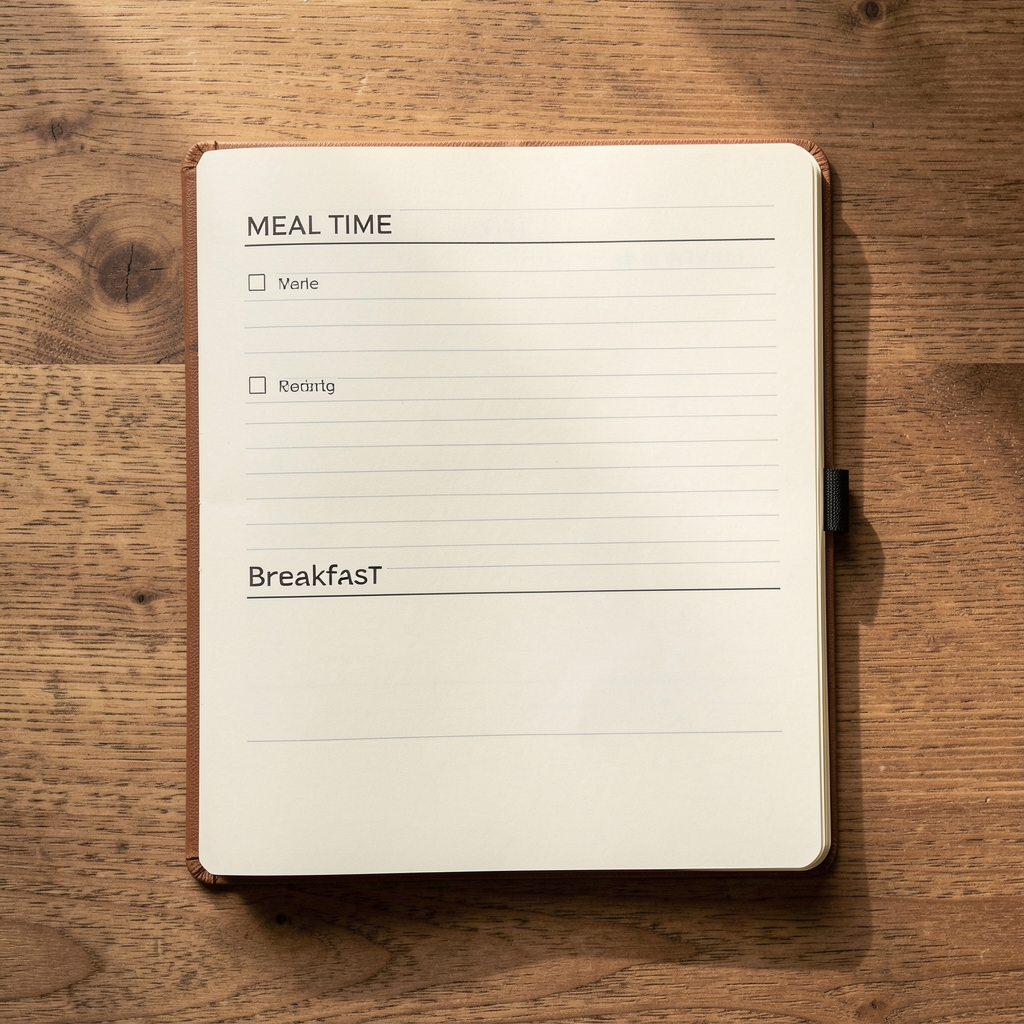
Food journal open on a wooden desk, morning light through window, clock visible alongside meal notes
London Field Notes 2026
Meal Timing Eating Rhythm Food Schedule Metabolic Balance Breakfast Habits Evening Eating Circadian Awareness Structured Eating Meal Timing Eating Rhythm Food Schedule Metabolic Balance Breakfast Habits Evening Eating Circadian Awareness Structured Eating
02
Featured Reading

Current Articles

3
Published Articles
27
Min Avg. Read
2
Contributor Writers
6
Topic Categories
03
Editorial Perspective

Recording What Happens When Timing Shifts

Read Our Editorial Standards →

The Oralin Notebook does not recommend. It observes. Each piece of writing filed here represents a careful record of what happens when meal timing shifts — when breakfast arrives two hours later than usual, when lunch is taken at a desk rather than away from it, when the final food of the day extends past the hour a household previously kept.

The publication draws on published nutritional research, reviewed for editorial accuracy before each article reaches its final form. Writers bring personal observation to documented patterns in food research literature, producing records that are neither prescriptive nor anecdotal but something in between: a field note on what the research suggests, set against the texture of everyday eating.

The result is a publication for readers who think carefully about their daily food routine — not because they are looking for instruction, but because they find the rhythm of the plate genuinely interesting.

04

Topics We Cover

01

Breakfast Habits

Morning meal choices, skipping breakfast observations, and how the first food of the day shapes the hours that follow. Field notes from London working days.

02

Evening Eating Patterns

Late-night food habits, the timing of the final meal, and the observed relationship between evening food choices and overnight rest patterns.

03

Meal Frequency

How many meals a day, and at what intervals? Observations on structured eating versus informal grazing, and the energy patterns each approach tends to produce.

04

Circadian Eating Awareness

The relationship between the body's internal time-keeping and the timing of food. Editorial notes on published research in chronobiology and eating schedules.

05

Food and Sleep

The recorded intersections of food timing and overnight rest. What researchers and food journalists have observed when meal schedules shift in one direction or another.

06

Consistent Meal Times

The editorial case for regularity: what consistent meal intervals appear to produce in terms of daily energy rhythm, appetite pattern, and food decision-making over a week.

05
Editorial Position
“The plate has a clock. Every article in this publication is an attempt to read it.”
Eleanor Whitfield, Founding Editor — London, 2026
06
Common Questions

What Oralin Covers

Meal timing refers to the hours at which food is consumed across a day, relative to waking, working, and resting. Editorially, it matters because the pattern of when food is eaten — not only what food is consumed — appears in published nutritional research as a variable with observable relationships to daily energy rhythm and appetite structure.
No. Oralin Notebook is an independent editorial publication. Articles reflect the writers' observations on meal timing and eating rhythm. The content is not intended as professional advice, nor as guidance for the management of any specific condition. Readers with specific concerns about their daily routines are encouraged to speak with a qualified wellness professional.
Each article is reviewed by a second editor before publication. Sources are cited where published nutritional research is available. The editorial approach prioritises documented observation over prescriptive guidance. See our methodology page for the complete editorial procedure.
Circadian eating awareness refers to an understanding of how food timing intersects with the body's internal time-keeping — the roughly 24-hour biological rhythm that influences alertness, appetite, and rest. This publication covers what published research has found at this intersection, without making claims about individual outcomes.
The editorial team welcomes correspondence from writers working in food journalism and nutritional observation. Use the contact form on our contact page, or write directly to [email protected]. The publication is based in London and observes office hours Monday to Friday, 09:00 to 18:00.
From the Editors

Read the Full Articles

Each article in the Oralin Notebook runs to approximately 1,500 words. There are no summaries or abbreviated versions — the full text is available to read directly.